
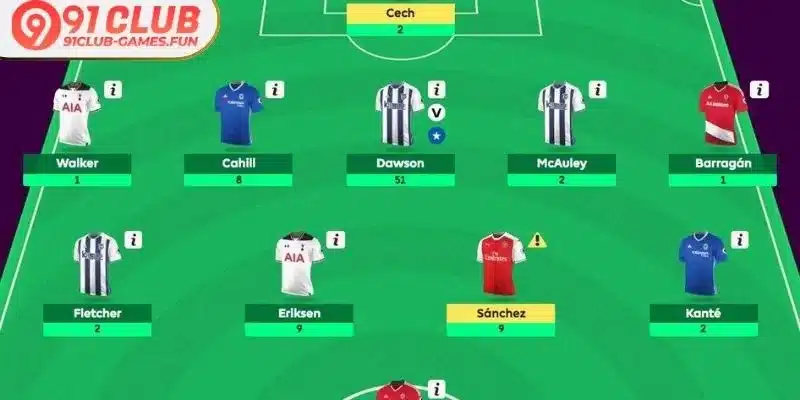
Captain and Vice Captain tips are the most decisive factor in fantasy cricket contests across India, where millions compete daily for prize pools that can exceed 12 Crore INR. Since the captain earns double points and the vice captain receives 1.5x rewards, choosing wisely can instantly transform rankings. In partnership with insights from 91 club, this guide explains how to analyze form, pitch conditions.
Why Captain and Vice Captain tips matter
Understanding the importance of multipliers is central to fantasy success. Captain and Vice Captain tips focus on maximizing impact because nearly 60–70% of total fantasy score often depends on these two selections. In Indian T20 competitions, a captain scoring 90 base points converts into 180, creating a major ranking advantage.
Data from recent seasons shows that top-ranked teams frequently assign captaincy to players involved in multiple phases of the game. All-rounders, aggressive openers, and death-over bowlers often generate consistent returns. Careful evaluation of the last five matches, strike rates above 145, and bowling averages under 22 significantly increases accuracy.
Avoid emotional picks based on fame alone. Instead, review role clarity and match importance. Strategic leadership selection reduces unpredictability and enhances long-term profitability in high-value contests worth several lakh INR.
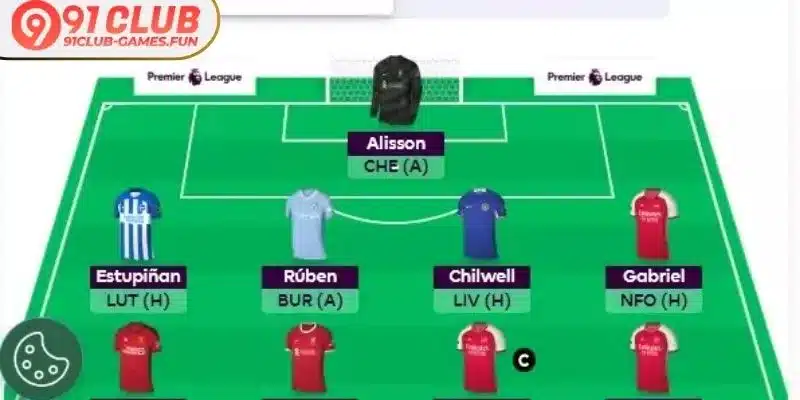
Data-driven Captain and Vice Captain tips
Reliable decisions require objective statistics rather than assumptions. The following elements strengthen multiplier choices and reduce risk exposure.
Form analysis in Captain and Vice Captain tips
Recent performance is the backbone of effective Captain and Vice Captain because fantasy scoring reflects current momentum. A batter averaging 48 runs across four recent matches demonstrates rhythm and shot confidence. Likewise, a bowler collecting 10 wickets in five games shows consistent penetration.
In Indian leagues, players in peak form outperform reputation-based selections by nearly 28% in fantasy returns. Evaluate strike rotation, boundary frequency, and dot-ball percentage for bowlers. Fitness updates also matter, as minor injuries can reduce performance intensity. Choosing leaders based on recent data ensures stable multiplier gains and lowers the risk of sudden underperformance in competitive tournaments.
Matchup study
Player matchups provide hidden advantages in advanced Captain and Vice Captain tips strategies. Certain batters excel against specific bowling types. For example, a right-handed opener with a strike rate of 165 against spin gains value on dry Indian pitches.
Similarly, a left-arm pacer who consistently dismisses top-order right-handers becomes a strong multiplier option. Historical head-to-head records often reveal averages above 50 against particular opponents. Reviewing dismissal patterns across seasons highlights tactical edges. Ignoring matchup data can limit scoring potential. Smart analysis of player strengths against opposition weaknesses strengthens leadership precision significantly.
See more: Australia Vs England Playing 11 Match Preview And Analysis
Toss impact
Toss results often reshape Captain and Vice Captain tips decisions minutes before the deadline. In India, chasing teams win approximately 58% of T20 matches on batting-friendly tracks. Dew factor in evening games reduces grip for spinners and supports aggressive batting.
Selecting captains from chasing sides under such conditions improves scoring reliability. On slower surfaces, however, bowlers operating in the first innings may exploit early assistance. Waiting for confirmed lineups and toss updates allows final adjustments. Experienced fantasy players frequently modify captaincy choices in the final ten minutes to reflect match context accurately.
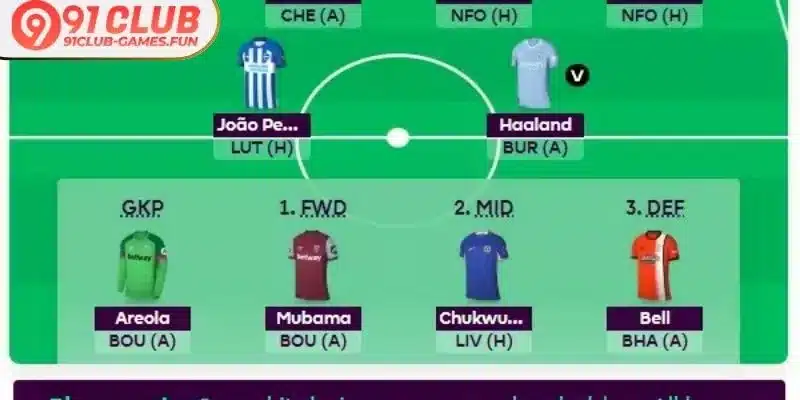
Risk management with Captain and Vice Captain tips
Balancing safety and uniqueness protects long-term returns. Thoughtful planning ensures consistent rankings across multiple contests.
Safe leaders
Conservative strategies rely on stable performers within Captain and Vice Captain tips planning. Premium all-rounders in Indian T20 competitions average over 65 fantasy points per match due to dual contributions. Their participation in both innings phases minimizes volatility. Top-order batters who consistently score 35-plus runs also provide dependable vice-captain value.
In contests offering 10 Lakh INR rewards, safety often outweighs aggressive experimentation. Reviewing consistency across ten matches rather than two avoids misleading trends. Stable selections create gradual growth and protect overall bankroll from extreme fluctuations.
Differential leaders
Advanced players incorporate calculated risks within Captain and Vice Captain tips for mega contests. Selecting a player with ownership below 25% can significantly boost ranking if performance exceeds expectations. For instance, a middle-order batter promoted due to team strategy changes may face more deliveries.
Death-over bowlers also carry surprise wicket potential, especially in high-pressure chases. However, differential choices must rely on supporting statistics such as overs allocation and strike rate trends. Blind gambles reduce consistency. Balanced innovation enhances competitive edge without sacrificing stability.
Budget strategy
Credit management influences overall effectiveness of Captain and Vice because over-investing in star players weakens lineup depth. Balanced squad construction ensures contributions from every department. In India’s fantasy ecosystem, teams with evenly distributed credits show nearly 20% higher consistency across tournaments.
A captain delivering 120 points cannot compensate for three underperforming players. Analyze average fantasy returns per credit spent to maintain value efficiency. Balanced distribution reduces reliance on a single outcome and strengthens overall team structure.
Psychological edge
Mental discipline, emphasized by 91 club, enhances application of Captain and Vice Captain tips choices over long seasons. Emotional decisions after one poor performance often lead to unnecessary changes. Patience allows data trends to stabilize. Tracking performance in a personal record sheet helps identify strengths and weaknesses.
Reviewing weekly outcomes improves strategic learning. Avoid chasing losses by selecting extreme differentials without analysis. Confidence built on research sustains performance in tournaments where prize pools reach 15 Crore INR. Maintaining calm decision-making ensures structured growth and competitive resilience.
Consistency tracking
Long-term tracking strengthens advanced Captain and Vice Captain tips strategies by identifying reliable scoring patterns. In India’s competitive fantasy environment, players who monitor performance across 10 to 15 matches gain clearer insight into stability trends.
A captain averaging 75 fantasy points over five consecutive games offers stronger security than a player with one explosive century. Recording strike rates, bowling variations, and fielding contributions builds a measurable evaluation system.
Data comparison between home and away matches also reveals performance differences. Consistent analysis reduces emotional decisions and improves multiplier accuracy across high-value contests in 91 club.
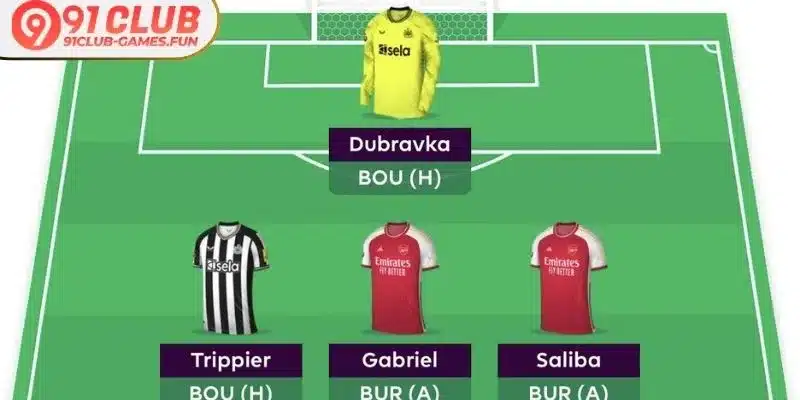
Conclusion
Captain and Vice Captain tips remain the defining element of fantasy cricket success in India’s rapidly expanding market. Careful evaluation of form, matchups, toss outcomes, and balanced risk improves multiplier efficiency significantly. Apply these structured insights alongside guidance from 91 club to strengthen confidence, enhance stability, and maximize fantasy returns sustainably.
