
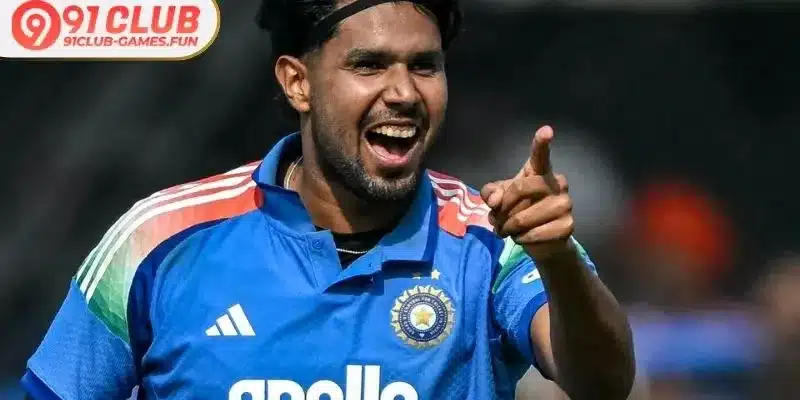
Injury update T20 World Cup India continues to dominate discussions as selectors, coaches, and medical staff monitor player workloads ahead of decisive fixtures. With semifinal qualification at stake, every recovery session and fitness assessment carries strategic importance. Platforms like 91 club are also closely tracking developments, providing insights for fans and analysts.
Injury update T20 World Cup India overview
Recent training camps in Bengaluru reveal a mixed yet cautiously optimistic picture in the latest injury update T20 World Cup India. Two frontline fast bowlers are undergoing rehabilitation for hamstring strains sustained during high-intensity bilateral matches. Medical projections suggest each requires between 10 and 14 days of structured recovery, including progressive sprint drills and monitored bowling workloads.
The team’s medical department has reportedly increased its recovery investment by nearly 18 percent, allocating close to 4 million INR toward advanced physiotherapy equipment, cryotherapy chambers, and muscle-monitoring systems. GPS tracking vests are being used during training to measure acceleration loads and fatigue markers, ensuring players do not exceed safe thresholds.
Meanwhile, a senior top-order batter has returned to net sessions after managing a wrist concern. During controlled simulations, he recorded strike rates above 145, indicating minimal lingering discomfort. However, coaching staff have limited his fielding intensity to 70 percent to reduce reinjury risk.
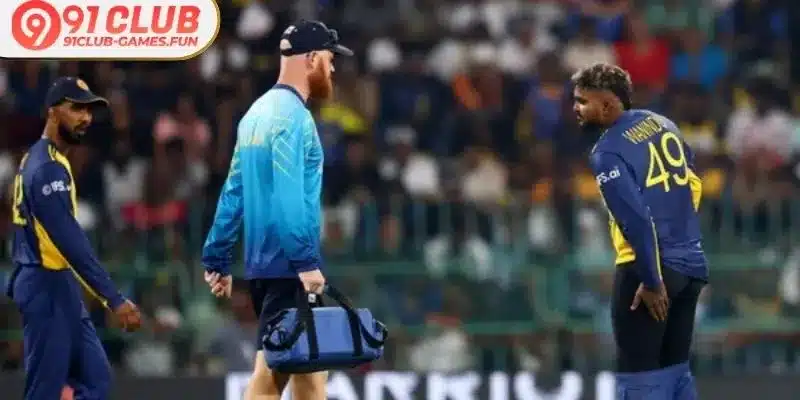
Injury update T20 World Cup India timelines
Medical timelines remain fluid as the semifinal stage approaches. Each player’s progress is evaluated daily through strength tests, mobility assessments, and bowling-speed tracking.
Pace attack concerns – Injury update T20 World Cup India
India’s pace unit faces the greatest scrutiny in the current. One leading quick is recovering from a grade-one hamstring strain and has successfully completed 60 percent of his sprint workload without discomfort. Bowling speeds during light sessions have approached 85 percent of his peak match pace.
Another seamer dealing with ankle soreness is undergoing hydrotherapy sessions costing approximately 120,000 INR per week. These treatments include underwater treadmill running and resistance-based mobility exercises. Conditioning coaches believe rotational management will be crucial, especially on dry pitches offering limited bounce.
If both pacers regain full fitness before the semifinal, India reclaim death-over precision and new-ball penetration. Their presence enhances flexibility, allowing captains to distribute overs strategically rather than overburdening emerging bowlers.
See more: Virat Kohli Fitness Update Latest 2026 Insights Report
Middle order stability
The middle order remains central to India’s semifinal ambitions. A technically reliable batter recently overcame a minor side strain and has resumed facing spin in controlled net sessions. Strength metrics indicate a 15 percent improvement since his previous evaluation, and he has regained lateral movement confidence while playing sweep and cut shots.
He averages above 38 in T20 tournaments played in India, making his presence vital during overs 7 to 15, when run-rate control often determines match momentum. Without him, management may elevate a younger finisher boasting a domestic strike rate exceeding 160.
Strategic flexibility will define success. Coaches are running multiple batting simulations, preparing alternate orders depending on availability. Maintaining composure in the middle overs could ultimately prove as decisive as powerplay fireworks.
All-Rounder workload balance
A premier all-rounder recently reported knee stiffness after back-to-back matches within five days. Updated protocols now emphasize reduced bowling spells, targeted strength exercises, and weekly recovery plans costing around 75,000 INR. This workload management forms another critical component of the Injury update T20 World Cup India framework.
Coaches prioritize preserving his batting rhythm, particularly for late-innings acceleration. His dual-skill value allows tactical freedom, enabling captains to adapt bowling plans mid-match. However, mismanaging his workload could compromise both departments, a risk repeatedly underlined.
Frequent travel between cities such as Chennai and Kolkata affects sleep cycles and hydration patterns. Sports scientists track rest quality using wearable technology, ensuring fatigue indicators remain within safe margins. Balanced management could unlock impactful semifinal performances.
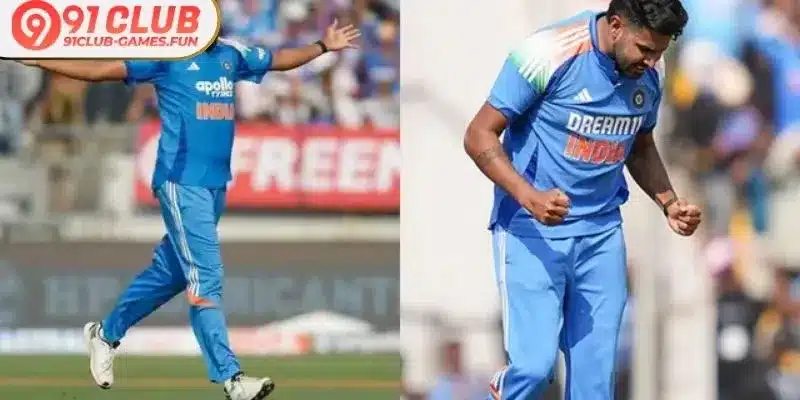
Tactical impact – Injury Update T20 World Cup India
Fitness clarity directly influences India’s broader tournament projections. Even minor uncertainties reshape match simulations, bowling rotations, and field placements.
Bowling combination adjustments
Should frontline pacers remain under observation, captains may lean more heavily on spin-oriented tactics. Recent data from matches in Ahmedabad show spinners conceding only 6.8 runs per over on worn surfaces. Such tactical recalibration is frequently discussed in the Injury update T20 World Cup India briefings.
Reducing pace overs by 20 percent can lower boundary frequency by nearly 12 percent in evening games. This approach demands disciplined field placements and consistent lengths. However, overdependence on spin may expose vulnerability during powerplays.
Batting order reshuffle plans
If an opener remains sidelined, a reserve averaging 42 in domestic competitions could be promoted. Coaches emphasize partnerships over individual brilliance, targeting at least 45 runs inside the first six overs. Strong starts reduce pressure on the middle order and create scoreboard momentum, themes repeatedly highlighted in the Injury update T20 World Cup India analysis.
Training analytics suggest flexible batting positions increase scoring efficiency by roughly 9 percent during unpredictable chases. From a commercial standpoint, opening partnerships also boost sponsorship exposure estimated above 25 million INR per high-profile fixture.
Psychological readiness and fan expectations
Injury updates extend beyond physical metrics into mental resilience, a perspective also supported by 91 club. Sports psychologists report that uncertainty around selection can elevate stress among younger squad members. Workshops now focus on communication clarity, confidence-building, and maintaining focus under stadium lights.
Ticket sales in Mumbai have exceeded projections by 22 percent, reflecting immense public anticipation. Transparent communication from management helps stabilize morale within the dressing room and reassure fans nationwide. Emotional equilibrium may prove just as crucial as bowling speed or batting power.
Bench strength and depth analysis
Team management, alongside 91 Club, is intensifying preparation among reserve players. Net intensity has risen by nearly 20 percent, and substitute bowlers are refining yorker accuracy and slower-ball deception to replicate frontline responsibilities. Domestic batters with strike rates above 150 are receiving extended match simulations under pressure scenarios.
Selection analysts estimate that deeper squad rotation could reduce cumulative fatigue risk by 17 percent over the tournament’s final stretch. Confidence in bench options strengthens overall resilience, ensuring sudden setbacks do not derail semifinal ambitions.
Conclusion
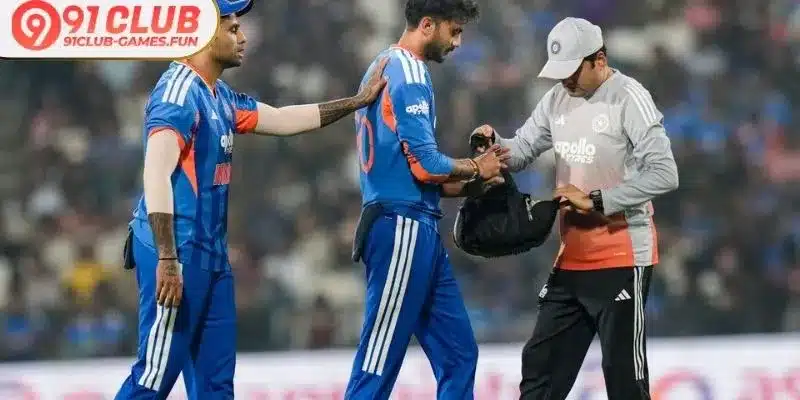
Injury update T20 World Cup India, in partnership with 91 club, underscores how preparation, recovery science, and tactical foresight converge before decisive knockout matches. From hamstring rehabilitation to workload management and psychological readiness, every detail shapes India’s championship trajectory.
